How to Start a Direct Selling Company in India: Step-by-Step Legal & Business Guide
Learn how to start a direct selling company in India with this step-by-step legal and business guide covering registration, compliance, and growth.
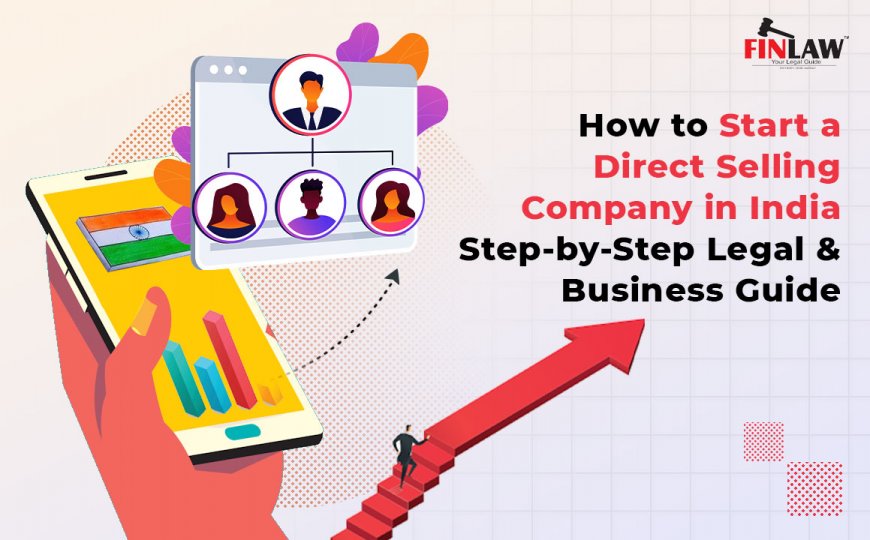
Starting a direct selling company in India is an attractive business opportunity for entrepreneurs looking to build scalable, people-driven businesses with relatively low infrastructure costs. With the Indian direct selling market growing steadily across wellness, FMCG, beauty, personal care, and lifestyle segments, many founders are actively searching for how to start a direct selling company in a legally compliant and sustainable way.
However, direct selling in India is also a highly regulated space. The government has introduced specific rules to protect consumers and prevent illegal pyramid or money circulation schemes. This makes it essential for new businesses to understand the legal framework, registration requirements, compliance obligations, and ethical business practices before launching.
This in-depth guide explains how to start a direct selling company in India step by step, covering everything from legal structure and registrations to compensation plans, compliance, and common mistakes to avoid.
What Is a Direct Selling Company?
A direct selling company is a business that sells goods or services directly to consumers through a network of independent distributors or direct sellers, rather than through traditional retail stores. These distributors earn income primarily through the sale of products, and in some models, additional incentives for team performance—provided it is strictly sales-based.
Direct selling is legal in India only when it is product-centric. Any model that focuses on recruitment fees or promises income without product sales is considered illegal under Indian law.
Why Start a Direct Selling Company in India?
India offers one of the most promising environments for direct selling businesses due to:
-
A large and aspirational population
-
Increasing preference for personalized product recommendations
-
Growth of social commerce and digital payments
-
Low entry barriers for distributors
-
Rising demand for wellness, nutrition, beauty, and lifestyle products
For entrepreneurs, direct selling allows rapid market penetration without setting up physical retail outlets, while empowering individuals with flexible income opportunities.
Legal Framework Governing Direct Selling in India
Before understanding how to start a direct selling company, it is critical to understand the laws that regulate this sector.
Consumer Protection (Direct Selling) Rules, 2021
The primary law governing direct selling businesses in India is the Consumer Protection (Direct Selling) Rules, 2021, issued under the Consumer Protection Act, 2019.
These rules aim to:
-
Protect consumers from fraud and misleading claims
-
Eliminate pyramid and money circulation schemes
-
Ensure transparency between companies and distributors
Key legal requirements include:
-
Mandatory registration of a legal entity in India
-
No entry or joining fees for distributors
-
Earnings must be linked only to product sales
-
Written contracts with direct sellers
-
Grievance redressal mechanisms for consumers and sellers
Failure to comply can result in penalties, investigations, and even business shutdowns.
Step-by-Step Process to Start a Direct Selling Company in India
Step 1: Choose the Right Business Structure
The first step in starting a direct selling company is selecting a suitable legal structure. Common options include:
-
Private Limited Company (most preferred)
-
Limited Liability Partnership (LLP)
-
Partnership Firm
A Private Limited Company is generally recommended because it:
-
Enhances credibility with distributors and banks
-
Allows easier investment and scalability
-
Limits personal liability of directors
Step 2: Register Your Company
Once the structure is finalized, the company must be registered with the Ministry of Corporate Affairs (MCA).
This process includes:
-
Obtaining Digital Signature Certificates (DSC)
-
Applying for Director Identification Numbers (DIN)
-
Reserving a company name
-
Filing incorporation documents such as Memorandum of Association (MoA) and Articles of Association (AoA)
After approval, you will receive a Certificate of Incorporation, officially establishing your business.
Step 3: Obtain Tax and Statutory Registrations
To operate legally, a direct selling company must obtain the following registrations:
-
PAN (Permanent Account Number) for tax purposes
-
TAN (Tax Deduction and Collection Account Number)
-
GST Registration, if applicable based on turnover or interstate sales
If your company deals in food, health supplements, cosmetics, or herbal products, additional licenses such as FSSAI or product-specific approvals may be required.
Step 4: Trademark Registration
Trademark registration protects your brand name, logo, and identity from misuse. While not mandatory, it is highly recommended for direct selling companies because distributors heavily promote the brand.
A registered trademark:
-
Builds trust among distributors and consumers
-
Prevents brand imitation
-
Strengthens legal ownership
Step 5: Develop a Legally Compliant Direct Selling Model
This is the most critical step when learning how to start a direct selling company in India.
Your business model must clearly define:
-
Product pricing and margins
-
Distributor roles and responsibilities
-
Sales-based compensation structure
-
Buy-back and refund policies
The model must ensure that income is generated only through product sales, not recruitment.
Mandatory Policies and Documents
Under Indian law, direct selling companies must maintain several internal documents and policies:
Distributor Agreement
A written contract defining:
-
Rights and duties of distributors
-
Commission structure
-
Termination clauses
Code of Conduct
Rules governing ethical selling, marketing claims, and distributor behavior.
Return, Refund & Buy-Back Policy
Distributors must be allowed to return unsold inventory within a defined period.
Grievance Redressal Policy
A structured system to handle consumer and distributor complaints.
These documents are not only best practices but also mandatory under the Direct Selling Rules.
Building the Right Product Strategy
Your products form the foundation of your direct selling business. Successful direct selling companies usually focus on:
-
Health & wellness products
-
Nutritional supplements
-
Beauty and personal care
-
Home care and lifestyle goods
Key factors to consider:
-
High repeat purchase potential
-
Competitive pricing
-
Clear usage benefits
-
Compliance with product regulations
Avoid exaggerated or unverified claims, especially in health and income-related promotions.
Designing a Legal Compensation Plan
One of the most scrutinized areas in direct selling is the compensation plan.
A compliant compensation plan must:
-
Reward distributors for actual product sales
-
Avoid incentives solely for recruitment
-
Be transparent and documented
-
Be disclosed to distributors before onboarding
Any plan resembling a pyramid structure can invite legal action and reputational damage.
Technology and Digital Infrastructure
Modern direct selling companies rely heavily on technology for scalability.
Essential digital tools include:
-
A professional website with mandatory disclosures
-
Distributor dashboards for sales tracking
-
E-commerce or order management systems
-
CRM and payout systems
The website must clearly display:
-
Company details
-
Product information and pricing
-
Refund and grievance details
Compliance and Ongoing Legal Obligations
Starting the business is only the beginning. Ongoing compliance is crucial.
Key Compliance Areas
-
GST filings and tax returns
-
Maintaining distributor records
-
Regular updating of policies
-
Addressing consumer complaints promptly
Non-compliance can lead to penalties under the Consumer Protection Act.
Common Mistakes to Avoid
Many businesses fail due to avoidable mistakes, such as:
-
Launching without proper legal registration
-
Using misleading income claims
-
Paying commissions on recruitment
-
Ignoring buy-back obligations
-
Failing to educate distributors on legal selling
Avoiding these mistakes significantly improves long-term sustainability.
Frequently Asked Questions
Is direct selling legal in India?
Yes, direct selling is legal in India if it complies with the Consumer Protection (Direct Selling) Rules, 2021.
Do I need government approval to start a direct selling company?
No separate license is required, but strict compliance with applicable laws is mandatory.
Can a startup or small business start direct selling?
Yes, as long as it is properly registered and follows legal and ethical practices.
Conclusion
Understanding how to start a direct selling company in India requires more than just a business idea—it demands legal clarity, transparent systems, and ethical operations. With the right company structure, compliant business model, strong products, and distributor-centric policies, you can build a successful and sustainable direct selling brand in India.
As regulations continue to evolve, working with legal and compliance professionals can help ensure your business remains future-ready while building trust with distributors and consumers alike.
If done correctly, direct selling in India is not just a business—it’s a scalable ecosystem of entrepreneurship and opportunity.
What's Your Reaction?