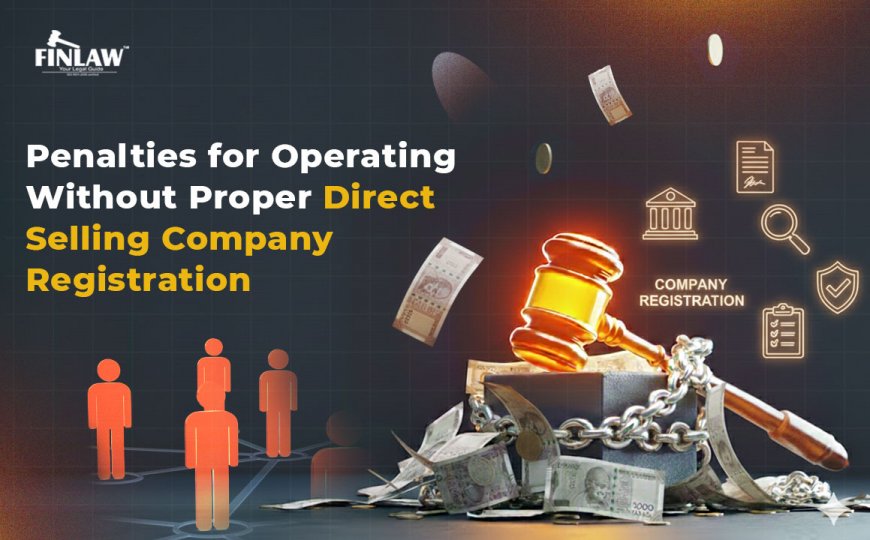
Penalties for Operating Without Proper Direct Selling Company Registration
Operating a direct selling business without registration can lead to fines, bans, and prosecution. Learn penalties and compliance risks in India.
The direct selling and MLM (multi-level marketing) industry in India has seen rapid growth over the last decade. With increasing digital adoption, social media selling, and work-from-home opportunities, thousands of individuals and companies are entering this space every year. However, not all of them follow the law.
One of the most common—and costly—mistakes businesses make is starting operations without completing proper direct selling company registration. While it may seem like a shortcut to save time or money, operating without registration can lead to severe legal, financial, and reputational consequences.
This article explains what penalties apply, which laws are violated, how authorities take action, and what businesses can do to stay compliant.
What Is Direct Selling Company Registration?
Before diving into penalties, it is important to understand what registration means in the context of direct selling.
A direct selling company is an entity that sells goods or services directly to consumers, typically through distributors, agents, or independent sellers, without using traditional retail outlets. In India, such companies must comply with:
-
Company or LLP incorporation laws
-
Consumer protection regulations
-
State-level Direct Selling Rules
-
Tax and financial compliance laws
Completing proper direct selling company registration ensures that your business is legally recognized, transparent, and accountable to regulators and consumers.
Is Registration Mandatory for Direct Selling Businesses in India?
Yes. Registration and compliance are not optional.
Under the Consumer Protection (Direct Selling) Rules, 2021, every direct selling entity must:
-
Be a legally registered entity in India
-
Have a registered office address
-
Appoint a grievance redressal officer
-
Maintain proper records of sellers and transactions
-
Avoid pyramid or money circulation schemes
Operating without fulfilling these requirements exposes the company and its promoters to legal penalties.
Key Laws Violated When Operating Without Registration
A company that operates without proper registration does not violate just one law—it often breaches multiple statutes simultaneously.
1. Consumer Protection Act, 2019
Unregistered direct selling companies are considered unfair trade practices, especially if consumers are misled about products, income potential, or refunds.
Penalties under this Act may include:
-
Heavy fines
-
Orders to refund consumers
-
Business shutdown directives
2. Consumer Protection (Direct Selling) Rules, 2021
These rules were specifically introduced to regulate direct selling and MLM businesses.
Non-compliance can lead to:
-
Prohibition from continuing operations
-
Blacklisting by authorities
-
Legal action initiated by State or Central Consumer Protection Authorities
3. Banning of Unregulated Deposit Schemes Act, 2019
If a business collects money from participants without delivering genuine products or services, authorities may treat it as an unregulated deposit scheme.
Penalties include:
-
Attachment of assets
-
Imprisonment of promoters
-
Confiscation of properties
4. Companies Act, 2013 / LLP Act, 2008
Running a business without proper incorporation or misrepresenting its legal status can attract:
-
Penalties for fraudulent conduct
-
Director disqualification
-
Criminal prosecution in serious cases
Common Penalties for Operating Without Proper Registration
The consequences of operating without direct selling company registration can range from monetary penalties to imprisonment, depending on the severity of the violation.
1. Monetary Fines
Authorities may impose fines for:
-
Misrepresentation of legal status
-
Non-compliance with consumer laws
-
Failure to disclose mandatory information
These fines can range from ₹50,000 to several lakhs, and in some cases, fines are imposed per violation or per day of continued non-compliance.
2. Business Closure and Ban on Operations
State governments have the power to:
-
Issue stop-operation notices
-
Seal offices and warehouses
-
Block websites and digital platforms
Once banned, restarting the business becomes extremely difficult—even after compliance.
3. Criminal Liability of Directors and Promoters
One of the most overlooked risks is personal liability.
If authorities find that:
-
The business structure is deceptive
-
Income claims are false
-
Funds are misused
Then directors, promoters, and key executives may face:
-
Criminal complaints
-
Arrests and investigations
-
Non-bailable offences in serious cases
4. Refund Orders and Compensation to Consumers
Consumer authorities can order:
-
Refund of joining fees
-
Repayment of product costs
-
Compensation for mental harassment
This can result in massive financial losses, especially if thousands of distributors are involved.
5. Attachment and Seizure of Assets
In cases involving fraud or illegal money circulation:
-
Bank accounts may be frozen
-
Office equipment and inventory seized
-
Personal assets of promoters attached
Recovering seized assets can take years, even if the business later becomes compliant.
Penalties for Distributors Associated with Unregistered Companies
The impact is not limited to company owners.
Distributors, influencers, and top-level participants may also face:
-
Income tax scrutiny
-
Questioning by enforcement agencies
-
Loss of earned commissions
In extreme cases, distributors can be named as co-accused, especially if they actively promoted misleading schemes.
How Authorities Detect Unregistered Direct Selling Companies
Many businesses assume they will “go unnoticed.” In reality, detection is easier than ever.
Authorities act based on:
-
Consumer complaints
-
Social media promotions
-
Online ads promising high returns
-
Whistleblower reports
-
Competitor complaints
Once a complaint is filed, enforcement agencies may initiate inquiries without prior notice.
Real-World Consequences: Why Non-Compliance Is Costly
Businesses that skip proper direct selling company registration often face:
-
Loss of investor confidence
-
Payment gateway suspensions
-
Difficulty opening bank accounts
-
Platform bans (Amazon, Flipkart, social media ads)
-
Long-term reputational damage
Even if the business survives legally, rebuilding trust becomes an uphill battle.
Difference Between Legitimate Direct Selling and Illegal Schemes
Many companies mistakenly believe that selling products automatically makes them legal.
Authorities examine:
-
Whether commissions are product-based or recruitment-based
-
Whether products have genuine market value
-
Whether income claims are realistic and documented
Without proper registration and compliance, even a product-based business can be classified as an illegal scheme.
Can Penalties Be Avoided After Non-Compliance?
In some cases, yes—but timing is critical.
If violations are minor and detected early:
-
Authorities may allow corrective action
-
Penalties may be reduced
-
Operations may resume after compliance
However, once fraud investigations begin, damage control becomes extremely difficult.
How Proper Registration Protects Your Business
Completing proper direct selling company registration offers several long-term benefits:
-
Legal protection for promoters
-
Increased credibility among distributors
-
Easier access to banking and payment gateways
-
Reduced risk of government action
-
Stronger consumer trust
Registration is not just a legal requirement—it is a business safeguard.
Best Practices to Stay Compliant
To avoid penalties and legal trouble, businesses should:
-
Register the entity before onboarding distributors
-
Follow Direct Selling Rules strictly
-
Avoid exaggerated income claims
-
Maintain transparent refund and grievance systems
-
Regularly review legal and compliance requirements
Seeking professional legal guidance early can save years of litigation later.
Conclusion
Operating without proper registration may appear to offer short-term convenience, but the long-term risks far outweigh any perceived benefits. From hefty fines and business shutdowns to criminal prosecution and asset seizure, the penalties for non-compliance are severe and unforgiving.
If you are planning to launch or already running a direct selling or MLM business, ensuring proper direct selling company registration is not just advisable—it is essential for survival, scalability, and sustainability.
By staying compliant from day one, businesses can grow confidently, protect their leadership, and build a legitimate brand in India’s evolving direct selling ecosystem.
What's Your Reaction?